Understanding the Impact of Tire Maintenance on Truck Performance
Maintaining tires properly is crucial for maximizing the efficiency of heavy-duty trucks. This includes regular inspections, proper inflation, and timely replacements, which can significantly impact fuel consumption, safety, and operational costs. By focusing on tire care, truck owners can enhance performance while minimizing expenses.
The Benefits of Regular Tire Maintenance
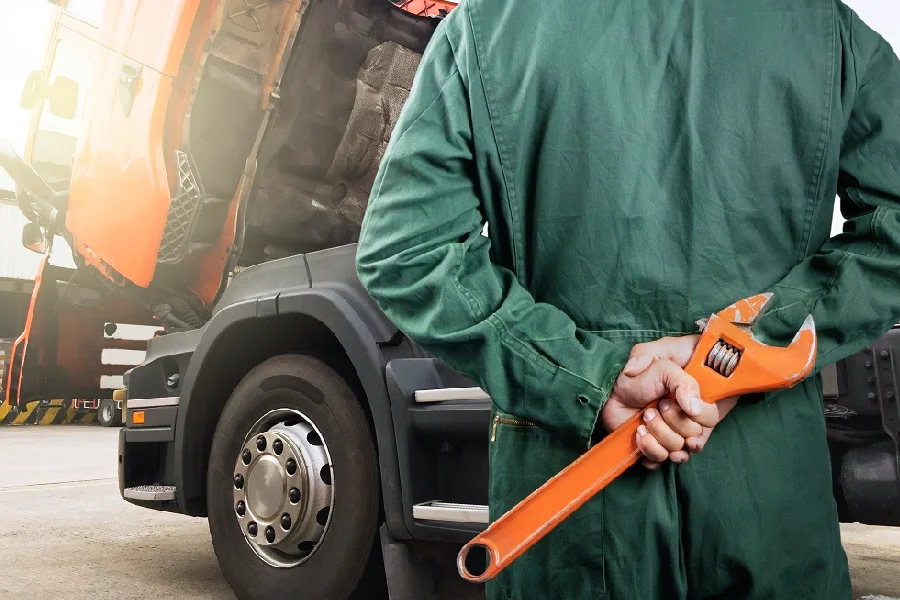
Regular tire maintenance offers several benefits that directly contribute to the efficiency of heavy-duty trucks. Well-maintained tires improve fuel economy by reducing rolling resistance. They also extend the lifespan of tires, decreasing the frequency of replacements and thus lowering overall costs. Furthermore, ensuring tires are in top condition enhances safety on the road by providing better traction and stability.
Avoiding Common Tire Problems
Tire issues such as under-inflation, misalignment, and uneven wear are common challenges faced in heavy duty truck repair. These problems can lead to decreased fuel efficiency and increased wear and tear on vehicle components. Addressing these issues promptly helps in maintaining optimal truck performance and avoiding costly repairs or breakdowns.
Steps to Implement Effective Tire Care
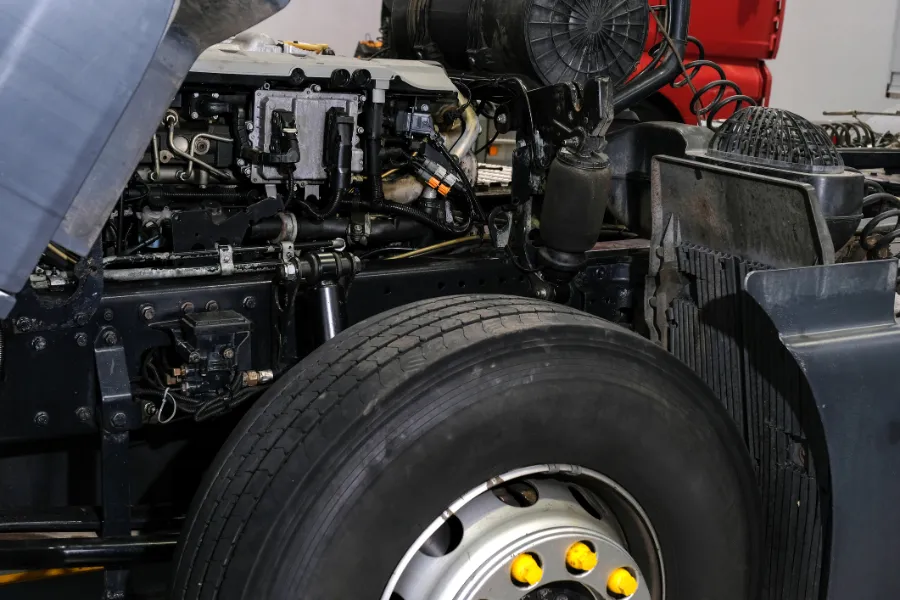
Implementing an effective tire care routine involves several steps. First, perform regular visual inspections to check for damage and tread wear. Second, ensure that tires are inflated to the manufacturer’s recommended pressure levels. Third, schedule periodic wheel alignments to prevent uneven wear. Lastly, rotate tires regularly to distribute wear evenly across all tires.
- Perform regular visual inspections
- Maintain correct tire pressure
- Schedule periodic wheel alignments
- Rotate tires regularly
Best Practices for Tire Longevity
To maximize tire longevity, it’s important to follow best practices tailored to your specific truck usage. Choose high-quality tires suited for your typical routes and loads. Monitor tire conditions regularly and replace any that show signs of excessive wear or damage. Additionally, consider using tire pressure monitoring systems (TPMS) to keep track of real-time pressure data and avoid under-inflation issues.
- Choose appropriate tires for routes and loads
- Monitor conditions and replace worn tires
- Use TPMS for real-time monitoring
Industry Standards for Tire Maintenance
The trucking industry follows specific standards when it comes to tire maintenance. These include adhering to guidelines set by organizations like the U.S. Department of Transportation (DOT) and the Tire Industry Association (TIA). Compliance with these standards ensures not only the safety of drivers but also the long-term reliability of vehicles.
Considering Costs and Returns on Investment
When evaluating tire maintenance strategies, it’s essential to weigh both upfront costs and potential returns on investment. Investing in quality tires and regular maintenance might seem costly initially but results in significant savings over time through improved fuel efficiency and reduced need for frequent heavy duty truck repair.
Optimize Your Fleet’s Performance Today
If you want to improve your fleet’s performance, focus on proper tire care today. Located in Jackson, MS, I offer comprehensive services tailored to your needs. Partner with Big Boys Truck Repair for expert guidance and reliable solutions. Call (601) 323-6696 now to learn more about how you can enhance your fleet’s efficiency.